If ocean air, bike rides on the Strand, and dinner steps from the beach sound like your routine, Santa Monica may be calling you. Buying here is different from many coastal towns, though, with a condo‑heavy market, city rent control, and coastal planning rules to understand. You want the lifestyle and a smart, confident purchase. In this guide, you’ll get a clear feel for neighborhoods, home types, pricing expectations, HOA realities, rent control and short‑term rental rules, coastal risks, and a practical checklist to use before you write an offer. Let’s dive in.
Santa Monica at a glance
Santa Monica is compact at roughly 8.4 square miles with a population near 90,000, so daily life feels close to the coast no matter where you live. The city skews renter‑occupied: only about 28% of occupied homes are owner‑occupied, according to U.S. Census QuickFacts. That context shapes what you’ll see on market and how investor activity can influence buildings and blocks.
Pricing sits well above typical conforming‑loan limits. Recent sources as of late 2025 to early 2026 place median sale or value measures roughly in the mid‑six‑figure to low‑seven‑figure range, with snapshots around the $1.5M to $1.75M band depending on the index and month. Expect micro‑neighborhood and property‑type variability week to week.
Commuting is workable by Westside standards. Mean travel time to work is about 24.8 minutes per recent Census estimates. You have Metro’s E Line terminus downtown plus local buses and strong bike infrastructure in many neighborhoods.
Homes and neighborhoods
What you will find
Multi‑family buildings dominate Santa Monica. Single‑family detached homes account for only about one‑fifth of the housing stock, while most inventory sits in condo and apartment buildings, per Point2Homes’ local breakdown. Much of the housing was built mid‑20th century, so you’ll see older structures with character alongside newer infill.
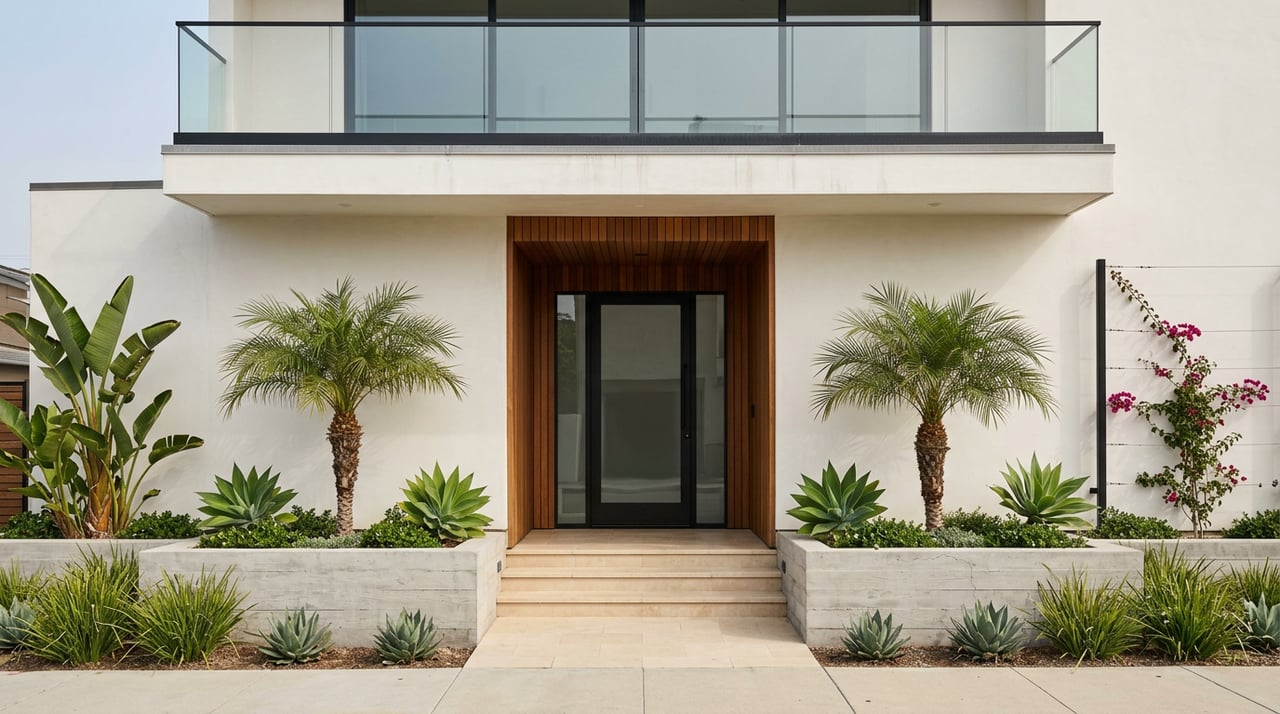
Styles range from beach bungalows and Craftsman‑era cottages to Spanish/Mediterranean and Mid‑Century Modern homes. Downtown and transit corridors feature mid‑rise condo blocks, with contemporary infill on select sites. If you prefer a single‑family home with a yard, you’ll focus on specific pockets.
Neighborhood quick guide
- Downtown / Ocean Avenue / Third Street Promenade: High walkability, dense condo inventory, and immediate beach access. Lively retail and nightlife define this core.
- Montana Avenue and North of Montana: Tree‑lined streets and boutique shopping shape this corridor, with the city’s primary cluster of upscale single‑family homes nearby. Explore the area vibe via Montana Avenue’s neighborhood overview.
- Ocean Park / Pico / Mid‑City: A mix of small multifamily buildings, bungalow stock, and select condos. Often more attainable than North of Montana but still premium compared to broader Los Angeles.
- Sunset Park / Santa Monica Canyon: Quieter pockets with a larger share of single‑family homes. Many buyers who want yards and more privacy look here.
Lifestyle on the coast
Santa Monica’s outdoor culture is the headline act. The pier, Palisades Park, and the beach path are everyday amenities, with regular public events and heavy seasonal use. Get a feel for the scene at the Santa Monica Pier.
Dining, shopping, and arts cluster into walkable hubs. Third Street Promenade and Santa Monica Place anchor downtown, while Montana Avenue offers a boutique, neighborhood‑scaled experience. Bergamot Station’s galleries and events are accessible via the E Line, whose terminus in Downtown Santa Monica makes car‑optional outings easier; see the E Line overview.
For families, the Santa Monica‑Malibu Unified School District is frequently cited for strong performance. Recent coverage highlighted SMMUSD high schools among top performers nationally, a factor that can influence demand in single‑family neighborhoods like North of Montana. You can review a summary in this SMMUSD rankings article, then confirm current boundaries and programs directly with the district.
What to expect when buying
Budget and timing
Sticker shock is real relative to most of the U.S. and even parts of Los Angeles. Inventory moves by micro‑neighborhood and building, so confirm comps with a local agent the week you plan to write an offer. If you are financing, align pre‑approval and proof of funds with current pricing realities before scheduling second showings.
Condos and HOAs
Condos are common, especially downtown and near the beach. HOA dues vary widely, from modest monthly amounts to higher figures in full‑service or luxury buildings. National reporting shows median HOA dues trending up across many home types, so build a realistic line item into your budget. For diligence, request the HOA’s reserve study, financial statements, meeting minutes, and any notices of pending special assessments. For context on fee trends, see this HOA dues analysis.
Pro tip: Ask what the master insurance covers versus unit‑owner policies, and whether earthquake coverage is in place for the association.
Rent control and rentals
Santa Monica has a long‑standing rent‑control framework adopted in 1979. If you plan to rent your unit or you are considering an income property, verify whether the property is rent‑controlled, confirm registration status, and understand permissible rent adjustments with the City’s Rent Control office. Start with the City’s Rent Control resources.
Short‑term rentals are actively regulated and enforced. The City has pursued legal action against serial violators, underscoring that STR rules are taken seriously. If a listing mentions short‑term rental potential, verify what is legal at that address before you factor it into your numbers. You can see an example of recent enforcement in this City press release.
Coastal hazards and insurance
Sea‑level rise and coastal storms factor into Santa Monica’s planning. The City’s updated Local Coastal Program integrates sea‑level‑rise scenarios and adaptation strategies that guide development, setbacks, and hazard‑area policy. If you are considering a property near the beach or bluff, run FEMA flood‑zone checks during escrow, request an insurance quote early, and review any coastal permits or recorded conditions that apply to the parcel. Read the City’s Local Coastal Program update for background.
Budget note: Coastal proximity can raise ongoing insurance and maintenance costs. Build a buffer for those line items even if your lender does not require flood coverage.
Inspections and maintenance
Coastal exposure means salt air can accelerate corrosion on metals and fixtures. Many buildings also predate modern seismic standards. For single‑family homes, consider a general inspection plus roof, sewer, and foundation specialists as needed. For condos, ask for any past or planned seismic retrofit documentation, and check whether related costs were or will be addressed by a special assessment.
Commuting and parking
The Metro E Line ends in Downtown Santa Monica, which helps with car‑optional commutes to central Los Angeles; see the E Line overview. The Big Blue Bus network supports local trips across the Westside. Many residents still drive for work beyond the immediate Westside, so weigh parking carefully. Confirm deeded spaces, guest parking, and any nearby residential permit rules. Expect limited free parking and busy weekends near the beach and pier.
Permits, ADUs, and additions
State housing laws and Santa Monica’s local planning codes interact closely. If you plan to add an ADU, pursue SB 9 lot splits, or expand a structure, consult City Planning early and verify any rent‑control status or coastal conditions that may apply. Timelines and feasibility vary by address and zone.
Buyer checklist
Use this simple list as you evaluate properties:
- Pricing and timing: Confirm current comps with a local agent the week you write an offer. Build a strategy for realistic offer terms.
- Rent control status: If relevant, verify registration and allowable rent increases with the City’s Rent Control office.
- Flood and insurance: If near the coast or low‑lying areas, check FEMA mapping during escrow and request a bindable flood quote early.
- Condo diligence: Request HOA financials, reserve study, minutes, and any pending special assessment letters. Clarify earthquake and master insurance coverage.
- Parking: Confirm deeded spaces, guest parking, and local residential permit rules. Note street cleaning schedules and meter patterns.
- Schools: If schools influence your search, confirm current boundaries and programs with SMMUSD and review the latest performance metrics.
- Coastal parcels: Review the City’s Local Coastal Program materials and any recorded coastal permit conditions that affect the property.
Next steps
Buying in Santa Monica rewards preparation. A clear plan around neighborhoods, HOA and rent‑control diligence, coastal risk, and parking will help you act with confidence. If you want a concierge‑style partner who knows the Westside and brings the marketing reach of AKGRE/Christie’s to every step, connect with Simon Mashian. From curated on‑market and private inventory to vendor coordination and multilingual support in Farsi and Spanish, you will feel guided from search to close.
FAQs
What is the typical price range to buy in Santa Monica in 2026?
- Recent sources place median prices around the $1.5M to $1.75M range depending on the index and month; confirm up‑to‑the‑week comps before writing an offer.
Are condos or single‑family homes more common in Santa Monica?
- Condos and multifamily units are more common; single‑family detached homes make up roughly one‑fifth of the housing stock citywide.
How does Santa Monica rent control affect buyers and investors?
- Many units fall under rent control with regulated increases and registration; verify a property’s status and rules with the City’s Rent Control office before you buy.
What should I review in HOA documents for a Santa Monica condo?
- Ask for financials, the reserve study, board minutes, insurance details, and any special assessment notices to assess near‑term costs and building health.
Do coastal risks and flood insurance impact beachfront buyers here?
- Yes. Check FEMA flood mapping during escrow, request early insurance quotes, and review the City’s Local Coastal Program guidance for hazard‑area policies.
What are commuting options from Santa Monica to central Los Angeles?
- The Metro E Line terminates downtown, Big Blue Bus covers local routes, and many residents drive for jobs beyond the Westside; weigh parking availability in your search.
